Hard Boiled Creative My Blog

What is the Formula of CRO in Digital Marketing?

What is the Formula of CRO in Digital Marketing?


What is the Formula of CRO in Digital Marketing?

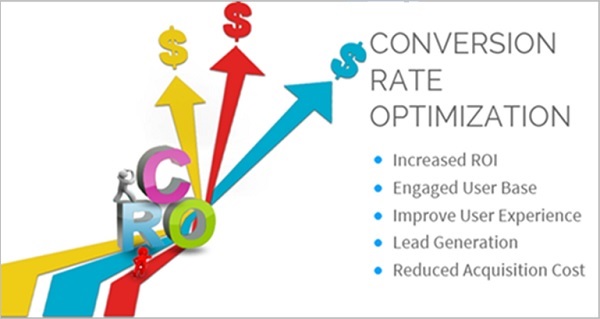
What is the formula of CRO in digital marketing? It is a common question of business owners that aim to boost their sales using only online tools. This formula is a very simple one, it is cost per acquisition or cost per action. If your marketing strategy is about gathering leads, you have to spend more time targeting them. If your strategy is all about pushing the sale, you will know better that you should use Buzz, Content, and Social media Marketing.

What is the Formula of CRO in Digital Marketing?

Now let us discuss the formula of digital marketing. The first step is to gather customer and prospects information. You can do this by means of various tools but I suggest that you should always use an integrated one so that everything would be organized and seamless. This way, you can have more interactions with your customers so that you can make a better understanding with them. After the analysis of data you will then be able to define the core philosophy of your digital marketing strategy.

How do you use social media marketing for increasing conversion rate optimization?

Next is to create a buzz around your product. This can be done by sharing your content via social media platforms such as Facebook and Twitter. Then it is necessary that you build a targeted list of opt-ins. One good way to build your list is to use opt-in widgets in your web pages. Next is that you should drive traffic to your web pages. This is also done via RSS feeds, blog submissions, and keyword research.

This is also known as relationship marketing. The third step is to develop a return on investment value. The return on investment is measured by sales revenue. The value proposition of a marketing campaign is measured by ROI. With this you are able to determine the success of your marketing efforts.

How does data analysis help in digital marketing?

After the analysis of data you can now categorize your digital marketing strategy. You can either focus on lead generation, which includes surveys and focus groups or automate the collection and nurturing of leads. Read this post https://conversionrateoptimizationconsultant.com/. You can also measure the response rate of your marketing campaigns. The data collection and analysis of sales can help you make decisions on what to do next. For example you may want to make changes to your pricing strategy.

You can use the results of your studies to optimize your digital marketing strategy. For example, if you find that email campaigns are not converting then you can concentrate your attention on other forms of communication such as phone calls. CRM is an integrated system that offers a complete solution for your business. It will provide a way to manage and track all of the elements of your business effectively.

What factors will you consider when measuring the ROI of CRM investments?

CRM can improve your Return On Investment (ROI). If you are able to convert more sales to customers, you increase the value of each sale and you receive a higher profit margin. The return on investment for traditional marketing methods such as direct mail, phone calls, coupons, and discounts can be very low as well as temporary. CRM allows you to create a permanent marketing campaign that pays off over time.

How do you use the CRO service to benefit your business website conversion? The formula is simple. You must target your customer with your marketing message and encourage them to make a purchase in order to benefit from the relationship that you have established. The return on your marketing investment will depend on the type of customer you are seeking and the value of that relationship. Once you have determined these two things, the rest will follow for your digital marketing efforts.

Related Post

Cybersecurity Consultants from Phoenix, Arizona: Making Data Security SimpleCybersecurity Consultants from Phoenix, Arizona: Making Data Security Simple

Understanding the Importance of Secure Networks: A comprehensive overview of the role of cybersecurity in businesses, including the different types of cyber threats and the potential consequences of a security breach.

Cybersecurity is a critical aspect of any business, as it involves protecting the security and integrity of digital systems and infrastructures. With the increasing use of technology in businesses, cybersecurity has become more important than ever before. A wide range of cyber threats exists that can cause significant damage to businesses, including data breaches, malware attacks, phishing scams, and ransomware.

One key challenge for businesses is ensuring that their employees are aware of potential risks and how to avoid them. This requires ongoing training and education on cybersecurity best practices. Additionally, companies need to work closely with their clients and partners to ensure that they have effective security measures in place throughout their networks.

To address these challenges effectively, many businesses are turning to cybersecurity service providers like Cybersecurity Consulting Phoenix. These companies offer a range of services designed to help organizations protect themselves against cyber threats proactively. This includes strategies such as cloud security solutions or establishing security operations centers (SOCs) which monitor network activity around the clock.

Overall, taking a proactive approach to security is essential for all types of businesses today. By working with experienced service providers who understand the latest technologies and requirements for network security, companies can reduce their risk exposure significantly while also providing better protection for customers and partners alike.

Key Considerations for Effective Cybersecurity Consulting: A discussion of the main factors that businesses need to consider when selecting a cybersecurity consultant, including experience, qualifications, and technical expertise.

When selecting a cybersecurity consultant, look for a company with senior cybersecurity consultants who have worked with businesses of all sizes and across industries. They should be able to demonstrate the effectiveness of their unique approach in security orchestration, compliance requirements, regulatory requirements, and critical infrastructure defense.

Technical expertise is another crucial factor in selecting a results-oriented cybersecurity expert. Ensure that your chosen provider has access to the latest tools and technologies needed to provide cutting-edge cybersecurity requirements to financial services companies such as security updates while keeping up-to-date with emerging threats in order to maintain your security posture at all times.

Ultimately, it’s essential that you choose a reputable agency that can deliver high-quality services consistently over time. Consider looking into customer reviews or testimonials from other companies they’ve worked with before making any final decisions on which provider best suits your needs as well as accepting credit cards or providing alternative payment methods if required by federal government agencies or other regulatory bodies requiring compliance measures around data protection laws so you can stay compliant while protecting yourself against potential cyber attacks.

Best Practices for Cybersecurity Consulting: A detailed look at the steps that cybersecurity consultants can take to help businesses protect their networks, such as conducting risk assessments, implementing security protocols, and providing ongoing support and maintenance.

One of the best practices for cybersecurity consulting is to conduct risk assessments. This involves identifying potential security threats and vulnerabilities in a business’s network, as well as evaluating the likelihood and impact of those threats. By conducting regular risk assessments, businesses can take preventative measures to mitigate risks before they become actual security breaches.

Another important step that cybersecurity consultants can take is threat hunting. This involves actively searching for potential security threats within a business’s network, rather than simply waiting for them to occur. By proactively seeking out these threats, businesses can stay ahead of the constantly evolving threat landscape and maintain a competitive edge in their industry.

Providing ongoing support and maintenance is also crucial for ensuring peace of mind when it comes to cybersecurity. Cybersecurity consultants should offer strategic advisory services that help clients address technical issues related to their networks, as well as provide exceptional service when it comes to implementing security protocols such as Security Architecture or using advanced cybersecurity consulting solutions, tailored specifically towards financial services providers. Overall, by offering comprehensive security services tailored specifically towards individual businesses’ needs, cybersecurity consultants can help companies gain a competitive advantage while protecting themselves against potentially devastating security breaches.

The Future of Cybersecurity Consulting: An analysis of the emerging trends and technologies that are shaping the future of cybersecurity consulting, including artificial intelligence, and machine learning.

As businesses continue to face increasingly complex cyber threats, the demand for advanced technology consulting and cybersecurity solutions is rapidly increasing. In response to this trend, many digital strategy companies like IronHand Cyber Security are expanding their offerings to include software services that prioritize customer data privacy and emphasize the importance of protecting sensitive information.

One key area where cybersecurity consulting is expected to grow in popularity over the next few years is in anti-malware software and cyber risk assessments. With a range of cameras now available on the market, businesses ranging from midsize agencies with 50-1,000 employees to larger organizations with up to 20-4,000 employees will need expert guidance on how best to protect their desktop systems and online systems from malware attacks.

Another emerging trend in cybersecurity consulting involves an increased emphasis on customer data privacy. As more businesses become aware of their responsibility for network infrastructure security and maintaining high levels of privacy protection for customers’ personal information, service management partners are likely to play an even greater role in helping clients implement effective strategies for safeguarding sensitive data.

Overall, as new technologies such as blockchain continue to gain traction across industries worldwide, it’s clear that cybersecurity consultants will need to stay ahead of these trends by providing innovative solutions that address a wide range of potential threats. Whether through conducting risk analysis or developing advanced HD IP video surveillance systems capable of detecting intrusions at all hours of the day or night, there’s no doubt that these professionals will remain critical players in securing today’s digital landscape against ever-evolving cyber risks.

Google Search Engine Optimization (SEO) – Analyzing Your Website and Google Places ListingGoogle Search Engine Optimization (SEO) – Analyzing Your Website and Google Places Listing

If you own a business, chances are that you’ve heard of Google Search Engine Optimization (SEO). SEO is the process of optimizing your website and other online content to rank higher on search engine results pages. But what about analyzing your website and Google Places listing for SEO? This blog will explain how proper analysis can help improve your ranking on Google searches and why it’s an important part of any successful SEO strategy.

To begin, it’s important to know what exactly is meant by “Google Places listing”. It is a service Google provides that allows businesses to create and manage a profile page on their website including information about products or services they offer. When someone searches for your business name or a related keyword, the listing will appear alongside your website in search results pages. In other words, creating and managing an up-to-date Google Places listing can help you rank higher on search engine results pages (SERPs) – this means more visibility for your business.

 Analyzing both your website and Google Places listing for SEO can have many benefits, such as improving your ranking in SERPs, increasing traffic to your site, gaining more qualified customers, and improving the overall user experience.  When it comes to analyzing your website, there are several components that you should look into. First, make sure you research relevant keywords related to your business and include them on your pages. This can help maximize your visibility in SERPs for those specific terms. Additionally, create content with a focus on quality rather than quantity – this means providing well-written and informative articles that will be valuable to readers. Finally, consider linking internally as well as externally; internal links within your site can keep users engaged while external links to other websites of relevance can help increase trustworthiness in the eyes of search engine algorithms.

Your Google Places listing is just as important as your website when it comes to SEO and it should be analyzed as the same. It’s important that you create an up-to-date listing with accurate information about your business, such as address, hours of operation, contact information, etc. Additionally, you can add photos and videos to help increase visibility and enhance the user experience. Lastly, make sure that you occasionally review and update your listing to ensure all information is current and correct. By analyzing both your website and Google Places listing for SEO purposes, you can improve your ranking in SERPs thereby increasing visibility for your business. Additionally, a proper analysis can also help to provide a better user experience which in turn increases trustworthiness among search engine algorithms – leading to more qualified leads for your business. For more information on optimizing your website and Google Places listing, contact a professional SEO expert. They can offer valuable advice to help you create an effective SEO strategy for your business.

Search Engine Optimization

Search engine optimization (SEO) is a process of optimizing websites and other online content to rank higher in search engine results pages (SERPs). When used properly, SEO can help businesses gain more visibility on the web, enabling them to reach more potential customers. The most important factor when it comes to SEO is keyword research. It’s essential that you target relevant keywords related to your business and include them throughout your website content. This will help maximize your visibility on SERPs for those specific terms. Additionally, consider using long-tail keywords which are more specific phrases that have less competition but still draw qualified leads. In addition to keyword research, optimizing your meta titles and descriptions can also go a long way in improving your rankings. The title tag is what appears on SERPs as the link title, so make sure it accurately reflects what users will find when they click on your page. Similarly, the description tag should concisely explain who you are and what customers can expect from your page.

It’s also important that you create quality content with a focus on user experience rather than quantity; well-crafted articles that provide value to readers will be rewarded by Google’s algorithms and result in higher rankings. Additionally, linking both internally and externally can enhance user engagement while also boosting SEO efforts – internal links allow readers to explore more of your site while external links demonstrate trustworthiness in the eyes of search engine algorithms. Finally, regular review and updating of both your website and Google Places listing are essential for successful SEO optimization. Make sure all information on these platforms is current and accurate – this includes address, hours of operation, contact information, and any other relevant details about the business itself or its services or products offered. By properly analyzing both your website and Google Places listing for SEO purposes, you can improve ranking in SERPs thereby increasing visibility for your business amongst qualified leads. Contacting a professional SEO expert may also be beneficial as they have specialized knowledge on effective strategies for successful search engine optimization campaigns.

Search Engines

Search engines are powerful tools that enable users to quickly and easily discover information online. They help narrow down a vast array of content from millions of websites, making it easier for users to locate the data they need. Search engines use a variety of methods to locate desired content, such as analyzing keywords, crawling web pages, and indexing content. Once indexed, search engine algorithms scan this data and rank pages according to various factors including relevance and authority. The result is a list of relevant pages that are then displayed in response to the original query. By utilizing SEO strategies like keyword research, optimizing meta tags, creating quality content, and linking both internally and externally on their website; businesses can improve their rankings in SERPs – leading to more visibility and qualified leads for their business. Additionally, optimizing local listings on Google Places or other platforms can also help businesses increase visibility as these listings appear at the top of SERPs when someone is searching for a business or service in their area. Overall, search engines are essential tools when it comes to finding accurate information quickly online. By understanding how they work and utilizing proper SEO practices, businesses can improve their visibility on search engine results pages – ultimately leading to greater success for their business.

Keyword Research

Keyword research is an essential part of any successful SEO campaign. It involves finding and analyzing specific words and phrases that are relevant to your business and targeting them in content to improve rankings in SERPs. To do this effectively, it’s important to consider the search intent of users – what they’re looking for when using terms related to your business. For example, someone searching for “plumbers near me” is likely looking for a local service provider, so make sure you’re targeting those When conducting keyword research, think carefully about the words and phrases used by your target audience when they search online. Use tools such as Google Trends or Keyword Planner to find variations of commonly used terms and identify the popularity of these terms over time. Once you have identified the most popular terms related to your services or products being offered, focus on incorporating them into website content strategically instead of simply stuffing pages with generic. Additionally, consider user intent when selecting keywords; long-tail keywords are more specific phrases that generally have less competition but still draw qualified leads. Additionally, look at competitors’ websites; by understanding how other businesses use certain keywords organically you can gain insight into which terms may be more effective for your own website.

Overall, keyword research is an important element of SEO optimization that can help businesses increase visibility on SERPs while also attracting high-quality leads for their products or services. By taking the time to research relevant terms and target them properly in web content, businesses can benefit from higher rankings and improved overall performance online. Read more search engine results pages