Hard Boiled Creative recreation,travel The Wineries of Chianti: A Detailed Guide

The Wineries of Chianti: A Detailed Guide


Discover the enchanting Wineries of Chianti in Tuscany, a fusion of heritage and modernity. Wander the landscapes adorned with vineyards, olive groves, and history dating back ages. Uncover renowned wineries like Castello di Brolio for classic Chianti, Antinori nel Chianti for innovation, Fattoria di Montemaggio for organic treasures, and more. Learn how to appreciate wine by noting colors, aromas, and flavors while pairing with local delicacies. Admire Castello Banfi’s award-winning creations and the charm of Castello di Verrazzano’s tradition. The expedition into Chianti’s wineries is a journey calling for exploration into a realm of wine wonders.
Chianti Wine Region Overview

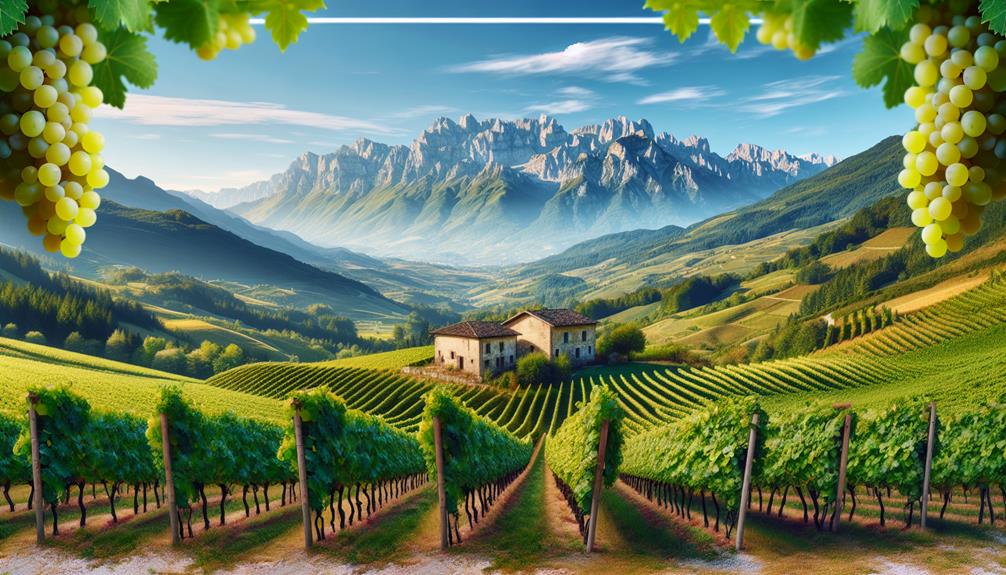
Explore the picturesque Chianti wine region, known for its rolling vineyards and historic wineries, nestled in the heart of Tuscany. This renowned area is a haven for wine enthusiasts and travelers seeking a taste of authentic Italian winemaking traditions. The Chianti region is characterized by its stunning landscapes, with vineyards stretching as far as the eye can see, interspersed with charming olive groves and cypress trees. The region’s rich history dates back centuries, with winemaking Techniques passed down through generations, resulting in some of the finest wines in Italy.

As you traverse through the Chianti wine region, you’ll encounter quaint villages perched atop hills, offering panoramic views of the lush countryside. The warm Mediterranean climate, coupled with the region’s unique soil composition, provides the perfect conditions for cultivating Sangiovese grapes, the backbone of Chianti wines. Immerse yourself in the local culture by visiting family-owned wineries, where you can partake in tastings of Chianti Classico, Riserva, and Super Tuscan wines, each showcasing the distinct terroir of the region.

Top Wineries to Visit

Begin a mesmerizing journey through the Chianti wine region by exploring the top wineries that provide unmatched experiences and exquisite wines.

One of the must-visit wineries is Castello di Brolio, where you can immerse yourself in the rich history of winemaking while tasting their renowned Chianti Classico.

For a more modern twist, pay a visit to Antinori nel Chianti Classico, where innovative techniques meet centuries-old traditions, resulting in exceptional wines that push the boundaries.

If you’re looking for a family-owned gem, then Fattoria di Montemaggio is the perfect stop. Here, you can enjoy organic wines surrounded by stunning vineyard views.

Castello di Verrazzano is another top pick, offering a blend of tradition and quality that’s evident in every sip.

Lastly, don’t miss out on the experience at Castello Banfi, a winery known for its award-winning wines and breathtaking estate. Each of these wineries encapsulates the essence of Chianti, promising a memorable and indulgent tasting journey.

Insider Tips for Wine Tasting

Begin your wine tasting journey through the Chianti region equipped with insider tips to enhance your experience and appreciation of the exquisite wines awaiting you.

When you arrive at a winery, take a moment to observe the color of the wine in your glass. Swirl it gently to release its aromas before taking a sniff. Note the different scents that waft up – perhaps you detect fruity notes, earthy undertones, or floral hints.

As you take your first sip, let the wine coat your palate and pay attention to its texture. Is it light and crisp or full-bodied and velvety? Consider the balance of flavors, acidity, and tannins.

To fully appreciate the nuances of each wine, try pairing them with local cheeses, meats, or bread. This can elevate your tasting experience by complementing or contrasting the flavors in the wine. Remember, wine tasting is subjective, so trust your own palate and enjoy the journey of exploring the diverse and delightful wines of Chianti.

Savoring the Rich Flavors of Chianti’s Wineries

Delve into the heart of Tuscany’s wine country to explore Chianti’s famed wineries. Learn about the traditional wine-making process and indulge in tastings of some of the best Italian wines. For the ultimate wine lover’s retreat, consider staying in one of the luxurious pool villas in Tuscany, nestled among the vine-covered hills.

Related Post

Frost & Flame: King of Avalon – A Player’s Resource GuideFrost & Flame: King of Avalon – A Player’s Resource Guide

Frost & Flame: King of Avalon has established itself as one of the most popular strategy games on mobile, combining medieval fantasy with large-scale battles, city building, and alliance cooperation. At the heart of the experience lies the challenge of resource management. Every upgrade, every troop trained, and every battle fought depends on how well players gather and spend their resources. For many, this naturally raises the question of when — and how — to consider top-ups.

The Importance of Resources

In King of Avalon, growth is tied to a steady supply of food, wood, iron, and silver. These resources form the backbone of your kingdom, but the game’s true pace is often determined by gold, the premium currency. Gold allows players to accelerate timers, unlock rare items, and gain flexibility in crucial moments.

Without premium resources, progress can slow dramatically, especially when competing in kingdom events or alliance wars. For example:

Upgrades take days: Constructing higher-level buildings or researching advanced technologies requires long waiting times. Gold helps reduce downtime.

Troop strength matters: Training and enhancing soldiers is resource-intensive, but premium boosts make it possible to maintain a competitive army.

The dragon factor: Unique to King of Avalon, your dragon grows stronger with investment. Gold-based upgrades ensure it remains a decisive force on the battlefield.

Playing for Free vs. Strategic Investment

It’s entirely possible to play Frost & Flame without spending. Daily quests, logins, and events provide a trickle of rewards. Patient players can still progress and enjoy the story. Yet, when aiming to compete at higher levels — whether for kingdom dominance or alliance glory — those free resources may not be enough.

This is where top-ups come in. They don’t replace skill or strategy, but they give players more flexibility. A timely purchase can mean completing upgrades before a war, or summoning enough reinforcements to turn the tide of a siege.

Choosing Smarter Top-Ups

Many players simply purchase through app stores. While convenient, these channels often carry extra fees, taxes, or higher regional prices. An alternative is to use trusted third-party services that offer both safety and better value.

For instance, Frost & Flame: King of Avalon top-up services allow players to recharge their accounts quickly and securely, often at more competitive rates. This ensures that resources go further and progress feels smoother.

Getting the Best Value from Gold

Top-ups are most effective when paired with good planning. Buying more gold won’t help if it’s spent recklessly. To maximize efficiency:

Save for major upgrades: Use gold on high-level construction projects or research that would otherwise stall your kingdom for days.

Time purchases with events: Limited-time events often multiply rewards, making them the best opportunity to spend premium resources.

Support your alliance: Contributing during wars or server-wide competitions ensures collective strength — and often comes with shared rewards.

Even smaller purchases can have a big impact if used thoughtfully. With the right approach, discounted King of Avalon recharge options can stretch much further than expected.

Balance and Sustainability

The most rewarding aspect of King of Avalon is its balance between individual progress and alliance cooperation. Top-ups should never be seen as shortcuts to victory, but rather as tools to enhance the overall experience.

A sustainable approach combines free rewards with occasional purchases, ensuring long-term growth without unnecessary overspending. Platforms offering affordable Frost & Flame top-up packages make this easier, giving players the flexibility to invest without strain.

Conclusion

Frost & Flame: King of Avalon is more than a strategy game; it is a long-term journey of building, battling, and cooperating. Resources drive this journey, and premium currency like gold plays a decisive role in shaping how quickly and effectively kingdoms grow.

By approaching top-ups strategically, players can unlock the full depth of the game without undermining the importance of skill, planning, and teamwork. Trusted third-party services provide a smart way to recharge safely and economically, allowing players to focus on what truly matters: forging alliances, commanding armies, and leaving their mark on Avalon’s epic history.

Navigating Wildlife Conservation in Rural LandscapesNavigating Wildlife Conservation in Rural Landscapes

Balancing Human and Wildlife Interests in Rural America

In the heart of America’s rural expanses, where the wild meets human civilization, lies a complex challenge of wildlife management. The Global Wildlife Program (GWP), fueled by a $131 million grant from the World Bank, aims to enhance wildlife management practices across 19 countries, highlighting the indispensable role of local communities in conservation efforts. This initiative underscores the necessity of sustainable management to mitigate conflicts and champion conservation, ensuring both Community welfare and wildlife preservation. You need to know how to effectively manage and coexist with wildlife in your community; access more information with our comprehensive Guide.

The Essence of Community-Driven Conservation

The interplay between human settlements and wildlife in rural areas necessitates a nuanced approach to conservation, one that respects the delicate balance between human needs and environmental stewardship. The GWP’s focus on community engagement in conservation strategies marks a pivotal shift towards sustainable wildlife management, recognizing that the key to effective conservation lies in harmonizing human and wildlife coexistence.

Sustainable Strategies for Wildlife Management

Strategic implementation of wildlife habitat management and population control is fundamental in fostering a healthy, harmonious environment. By prioritizing preemptive planning and conflict prevention measures, rural communities can anticipate and mitigate potential wildlife-related challenges, adhering to best practices that facilitate peaceful cohabitation with nature.

Understanding Wildlife Dynamics in Rural Settings

The dynamic relationship between rural communities and wildlife is intricate, shaped by the expansion of human activities into natural habitats. Sustainable wildlife management in these settings hinges on a deep understanding of wildlife population dynamics and the development of strategies that address the root causes of human-wildlife conflicts.

Crafting Solutions for Common Conflicts

Identifying and addressing common wildlife conflicts through community-led initiatives and real-life experiences is crucial in developing effective management strategies. These strategies, grounded in the principles of biodiversity conservation and ecosystem health, aim to resolve conflicts in a manner that benefits both humans and wildlife.

The Role of Biodiversity in Rural Economies

Biodiversity is not only a cornerstone of ecological health but also a driver of economic prosperity in rural areas. By promoting eco-tourism and sustainable use of natural resources, rural communities can leverage their unique ecological assets for economic gain, all while contributing to the overarching goals of wildlife conservation and ecosystem balance.

Implementing Solutions for Wildlife Management

Addressing the day-to-day challenges of wildlife management in rural areas requires a multifaceted approach, encompassing wildlife damage control, conflict resolution, and the promotion of sustainable management practices. These efforts are aimed at reducing the negative impacts of wildlife on rural livelihoods and enhancing conservation outcomes.

Effective Wildlife Damage Control

Mitigating wildlife-related damage in rural settings involves a combination of preventive and reactive measures. From waste management to deter wildlife attraction to humane wildlife capture and relocation, these strategies aim to minimize conflict while promoting coexistence.

Techniques for Resolving Human-Wildlife Conflicts

The resolution of human-wildlife conflicts is paramount to successful wildlife management. Employing barriers, educating communities about wildlife behavior, and establishing rapid response teams are among the techniques that can help manage these conflicts effectively, ensuring the safety of both humans and wildlife.

Conclusion: Towards Sustainable Coexistence

The journey through the complexities of wildlife management in rural America highlights the importance of adopting empathetic and sustainable approaches. By embracing comprehensive strategies that consider the needs of both people and wildlife, rural communities can achieve a balance that supports environmental conservation and human well-being. This exploration concludes with a call to action for all stakeholders to commit to respectful and sustainable wildlife management practices, fostering a future where humans and wildlife thrive together.

FAQs on Wildlife Management in Rural Settings

What challenges do rural settings face in managing wildlife? Rural areas encounter unique challenges in wildlife management, including the integration of human activities with wildlife habitats. Effective management requires balancing conservation efforts with community interests, employing strategic population control, and damage mitigation techniques.

What are practical ways to manage wildlife issues? Practical management approaches include implementing wildlife damage control measures, resolving conflicts through understanding wildlife behavior, and promoting sustainable management practices. These methods aim to conserve wildlife while protecting rural livelihoods.

Why is managing wildlife issues necessary? Proper wildlife management is essential for maintaining ecological balance, preventing conflicts, and ensuring the safety of rural communities. It embodies a commitment to compassionate coexistence and sustainable interaction with our natural surroundings.